If you are trying to picture what daily life in Frisco really feels like, the answer is not just “busy suburb” or “sports city.” Frisco is more layered than that, with parks built into weekly routines, dining woven into everyday convenience, and a layout shaped by distinct districts instead of one traditional downtown. If you are considering a move or simply want a better feel for the city, this guide will help you understand how people actually spend their days here. Let’s dive in.
How Frisco Feels Day to Day
Frisco is a city of about 200,509 residents spread across 68.1 square miles in Collin and Denton counties. It sits about 25 miles north of Dallas, which helps explain why many residents balance local routines with regional work, travel, and entertainment.
The average one-way commute is 28.6 minutes, and drives to both DFW and Love Field are roughly 25 minutes. That means your daily rhythm may include a commute, but it can also include staying close to home for errands, meals, workouts, and weekend plans.
Unlike cities built around one central downtown, Frisco tends to function through several lifestyle hubs. Frisco Square, The Star, the PGA District, Stonebriar Centre, and the Rail District each shape how people move through the city during the week.
Frisco Is District-Based
One of the most useful things to know about Frisco is that it feels more district-based than downtown-based. In practical terms, that means your favorite coffee stop, dinner spot, workout facility, or park may depend more on which part of the city you live in than on one central core.
This setup can make everyday life feel flexible. You may handle weekday errands in one area, meet friends in another, and save a different district for weekend outings.
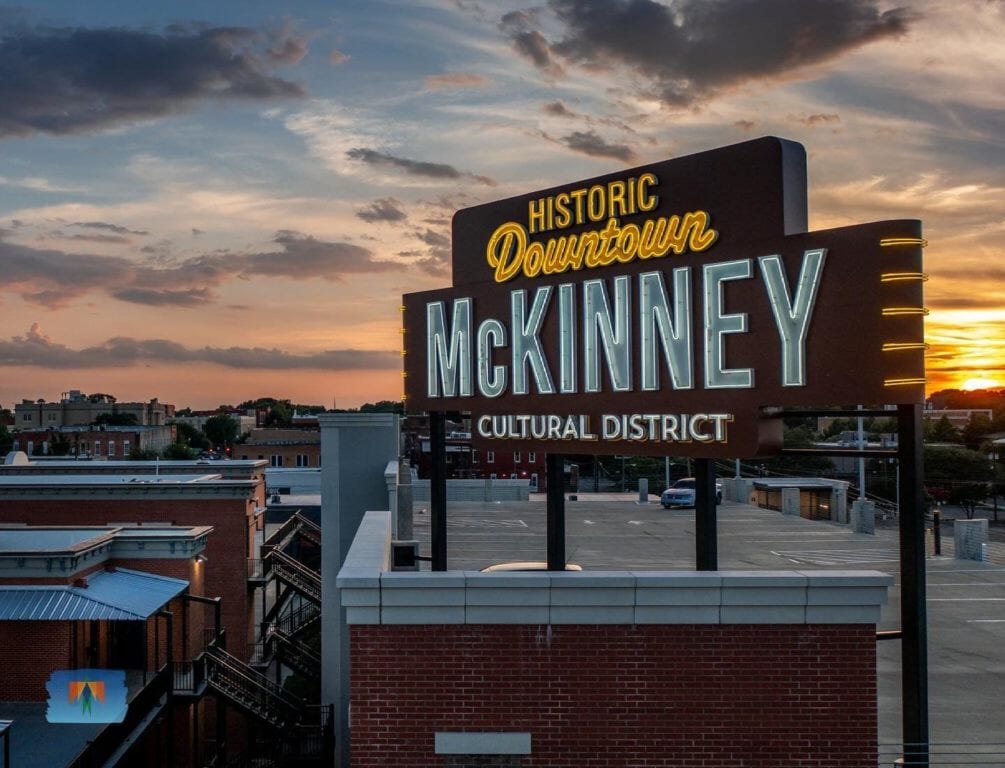
The Rail District stands out because the city is actively redeveloping it to improve walkability and create rail-themed public gathering places. That gives Frisco a growing pocket where strolling, dining, and spending time outdoors can feel more connected and less car-dependent.
Parks Shape Weekly Routines
Frisco’s park system is a major part of daily life. The city says it has more than 60 parks and more than 47 miles of hike-and-bike trails, which gives you a wide range of options for movement, outdoor time, and simple everyday breaks.
Many neighborhood parks are designed to be within walking distance of homes. That matters because it turns outdoor time into something easy to fit into a normal day, whether that means a quick playground visit, a short walk after dinner, or fresh air before work.
Community parks expand those options further. Depending on the park, you may find playgrounds, ponds, pickleball, basketball and tennis courts, sand volleyball, dog parks, and disc golf.
Most parks and trails open 30 minutes before sunrise and close 30 minutes after sunset. Sports complexes may stay open later, which can help if your routine includes evening practices or games.
Easy Outdoor Options in Frisco
Frisco’s recreation mix goes well beyond one signature green space. Official city facilities include:
- Frisco Athletic Center
- Frisco Water Park
- Frisco Skate Park
- The Grove at Frisco Commons
- Ruff Range Dog Park
- Frisco Discovery Center
- Frisco Heritage Center
This variety gives you room to build a routine that matches your household. Some people may focus on exercise and trails during the week, while others may lean on family-friendly attractions and indoor activities on weekends.
Trails Keep Growing
Frisco’s trail system is still expanding, which is worth noting if you value connected outdoor routes. The city continues to add capital projects and trail links, making the network more useful over time.
One example is the Cottonwood Creek Greenbelt, which runs under the Dallas North Tollway and connects into broader city and regional trail access. For everyday life, that kind of connection can make outdoor exercise feel more practical and more consistent.
Dining Is Part of Everyday Convenience
In Frisco, dining out is not limited to special occasions. Visit Frisco reports more than 400 restaurants and more than 9 million square feet of retail, so meals, coffee runs, takeout, and casual meetups are built into the city’s daily convenience.
That scale matters when you are evaluating lifestyle. It means you are less likely to leave the city for a basic dinner out, a quick shopping trip, or a last-minute plan with friends.
The official restaurant directory also highlights patio dining, kid-friendly options, and a broad mix of locally owned places. For many households, that supports a routine that feels flexible rather than repetitive.
The Rail District for Neighborhood-Scale Dining
If you want a more local, neighborhood-scale feel, the Rail District stands out. Visit Frisco describes it as historic downtown with independent restaurants and shops along Main Street, giving it a different pace from some of the city’s larger destination areas.
Because the city is working to improve walkability there, this area may feel especially appealing if you enjoy combining a meal with a casual stroll. It is one of the clearest examples of Frisco’s more connected, gathering-focused environment.
The Star, PGA District, and Stonebriar Centre
Frisco also offers larger districts that shape evening and weekend routines. The Star is a 91-acre campus with more than 20 restaurants, over 10 sports bars, and eight patios, making it a major social hub.
The PGA District adds signature dining and retail tied to the resort and golf campus. Stonebriar Centre rounds things out with a major mall, cinema, and family entertainment options.
Together, these areas give Frisco a wide range of everyday choices. You can keep things simple and local, or you can head to a bigger destination without leaving the city.
Getting Around Frisco
Frisco is still largely a car-oriented city. Its road network is heavily corridor-based, and major routes such as US 380, FM 121, Preston Road, FM 423, and Main Street segments play a big role in how people move through town.
The Dallas North Tollway is another key part of daily mobility. The city and the tollway authority are widening the DNT and Dallas Parkway frontage roads to keep pace with growth and travel demand.
For most residents, driving will remain the main way to handle work commutes, school drop-offs, shopping, and social plans. That said, some parts of Frisco are becoming easier to enjoy on foot once you arrive.
Transit Options Are Limited but Useful
Public transit in Frisco is limited, but there are a few practical tools in certain areas. The free Rail District Boxcar launched on June 12, 2026 and operates with 13 stops along Main and Elm Streets, including Frisco Square and City Hall.
DCTA’s GoZone also covers about a third of Frisco between Eldorado Parkway, Hillcrest Road, Main Street and SH 121, and FM 423. If you spend a lot of time in those areas, that service may be useful for select local trips.
The bigger picture is simple: Frisco mixes suburban driving with walkable pockets. That balance helps explain why the city works well for people who want convenience and variety, even if most daily movement still happens by car.
What a Normal Week Might Look Like
For many residents, life in Frisco blends practical routines with easy access to recreation. A weekday might include a morning commute, an evening stop at a local park, and dinner close to home instead of a longer drive elsewhere.
Your weekends can stay just as local. You might spend part of the day on a trail, meet friends at The Star, browse the Rail District, or take the family to one of the city’s recreation or cultural facilities.
That is a big part of Frisco’s appeal. The city offers enough parks, dining, retail, and activity centers that your schedule can feel full and convenient without needing to leave town often.
Why Everyday Life Matters When You Move
When you are choosing where to live, the small details often matter more than the headline attractions. Commute length, access to parks, ease of errands, and the ability to grab dinner nearby can shape your daily experience far more than a once-a-month outing.
Frisco stands out because those everyday pieces are already built into the city’s layout. It offers a broad suburban footprint, but it also gives you concentrated places for dining, gathering, recreation, and growing walkability.
If you are comparing Frisco with other North Texas communities, it helps to look past the big names and focus on routine. The real question is how easily a city supports the life you want to live every week.
If you want help understanding how Frisco fits your move, your schedule, and your priorities, Michelle Gifford can help you compare your options with clarity and confidence.
FAQs
What is everyday life like in Frisco, Texas?
- Frisco feels district-based, with daily routines shaped by parks, dining hubs, retail areas, and a mostly car-oriented layout with a few growing walkable pockets.
How many parks and trails does Frisco have?
- The city says Frisco has more than 60 parks and more than 47 miles of hike-and-bike trails.
What are the main dining and shopping areas in Frisco?
- Key lifestyle areas include the Rail District, Frisco Square, The Star, the PGA District, and Stonebriar Centre.
Is Frisco easy to get around without a car?
- Most daily travel in Frisco is still car-oriented, though the Rail District Boxcar and DCTA GoZone provide limited transit options in specific areas.
How long is the average commute in Frisco?
- Current Census data places the average one-way commute in Frisco at 28.6 minutes.
What makes the Rail District different from other parts of Frisco?
- The Rail District offers a more neighborhood-scale setting with independent restaurants and shops, and the city is redeveloping it to improve walkability and public gathering spaces.